A Beginner's Guide to Wildlife Safaris in India
How the park system works, what a safari actually involves, and how to set your expectations before you go looking for a tiger.
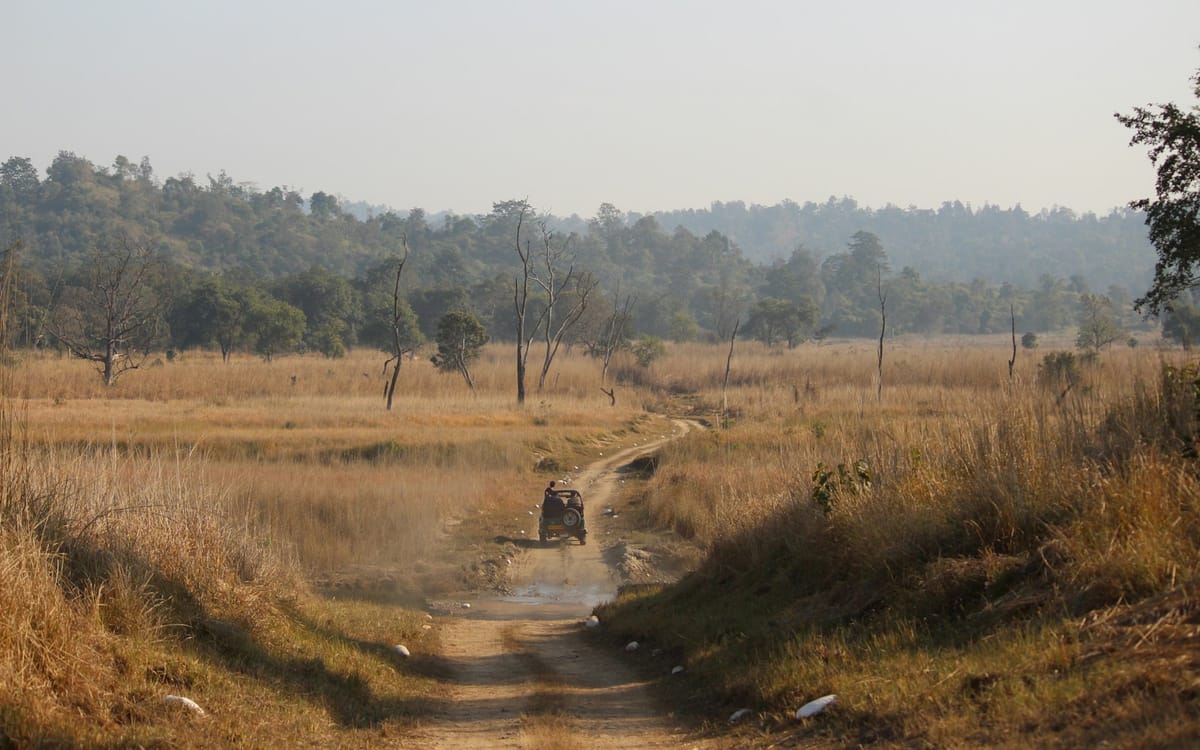
India has a large network of national parks and tiger reserves, most of them former hunting grounds now under state forest departments. A first safari trip is easier if you understand the structure.
Zones and permits
Most reserves are divided into zones, each with a daily cap on vehicles. Permits are booked in advance, often months ahead for the popular parks, and are tied to a specific zone, date and slot — morning or afternoon.
What a drive is like
You share an open jeep with a guide and a driver for three to four hours on fixed tracks. Sightings are not guaranteed. Deer, langur, birds and, if you are lucky, a large cat or a sloth bear. The forest itself, and the alarm calls that ripple through it, are the experience.
- Book two or three drives, not one — probability adds up.
- The dry, hot months before the monsoon offer the best sightings and the least comfort.
- Neutral clothing, a hat, and a zoom lens or good binoculars.
Choosing a park
Central Indian reserves are known for tigers; the Western Ghats parks for elephants and forest birds; the northeast for rhino and swamp species. Match the park to what you most want to see and how far you can travel.
Go for the forest, and treat a big cat as a bonus. People who arrive expecting a guaranteed tiger tend to leave disappointed even when they see one.
A well-run lodge will handle permits, brief you properly, and pair you with a good naturalist — worth more than a fancier room.