Seven Heritage Hotels Worth Travelling For
Old forts, havelis and plantation houses that have been kept alive by turning them into places to stay — and the trade-offs that come with that.
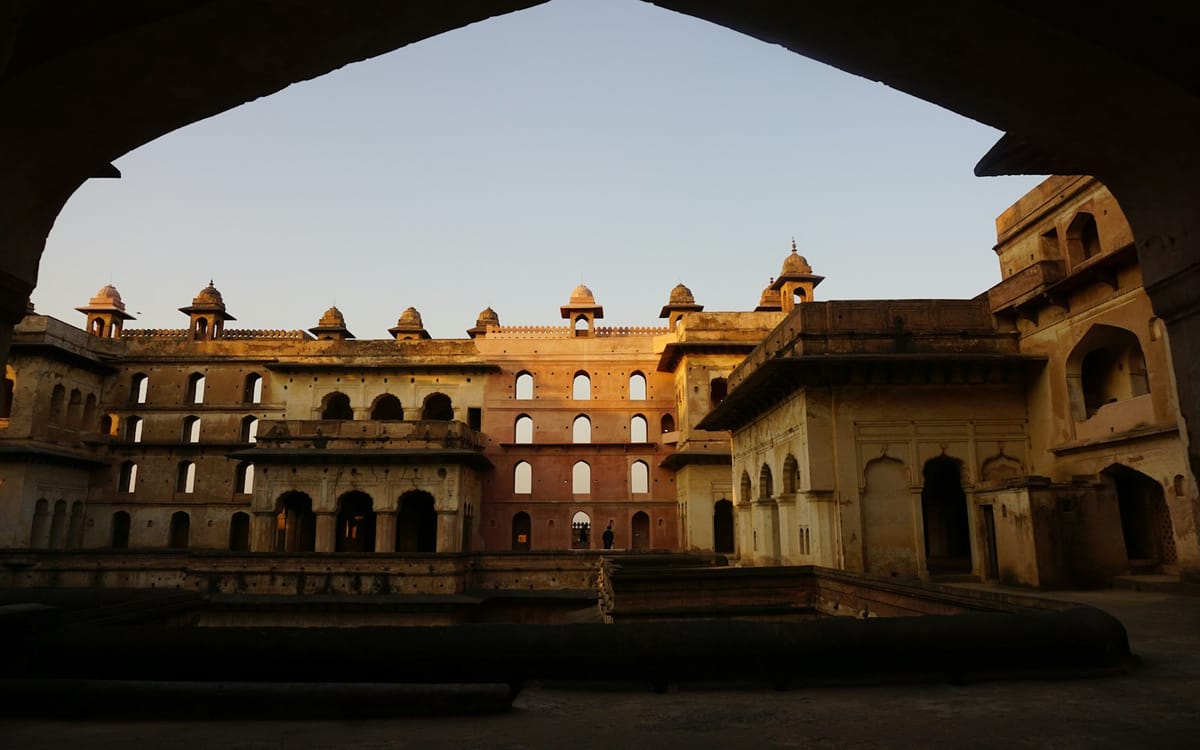
A lot of India's older architecture survives because someone worked out how to pay for its upkeep, and often that means guests. Staying in a converted fort or haveli can be the most memorable night of a trip — with a few caveats.
What you are really booking
Thick walls, uneven floors, courtyards, and rooms that are all different. The character is the point. So is the fact that plumbing and wifi in a 300-year-old building are sometimes eccentric.
Types to look for
- Desert and hill forts in Rajasthan, some still lived in by the family that built them.
- Merchant havelis in the Shekhawati towns, painted inside and out.
- Plantation bungalows in Coorg, the Nilgiris and Assam.
- Chettinad mansions in Tamil Nadu, built for extended families and trade.
Questions worth asking
Which rooms have been renovated, whether meals are set or à la carte, how far the property is from the town, and whether there is air conditioning if you are travelling in the hot months.
A heritage stay is a reason to slow down. Book two nights so you actually use the courtyards and the roof, rather than arriving late and leaving early.
Prices range widely. Some of the best-value options are family-run and never appear on the big booking sites; a phone call or an email often gets a better rate and a clearer picture.